

What Makes a Keepsake Worth Keeping?
The word “keepsake” suggests permanence.
Something chosen carefully.
Something held onto.
Something not easily replaced.
Yet many objects are labeled keepsakes simply because they were gifted at a meaningful time.
Over the years, most of those items are eventually stored away — or forgotten.
So what actually makes a keepsake worth keeping?
It Holds a Story
The most lasting objects are tied to something specific.
A place. A moment. A milestone — like the first year in a home.
Without a story, an object is decorative.
With a story, it becomes personal.
Our attachment to certain places explains why those stories remain so vivid long after we’ve left.
A meaningful keepsake does not rely on trend or novelty. It carries context — a reason for existing beyond aesthetics.
That context is what gives it staying power.
It Represents Something Irreplaceable
True keepsakes are connected to something that cannot be recreated.
A childhood home.
The house where a family gathered for decades.
A first business location — the place where someone choose to build something lasting.
These places are not interchangeable.
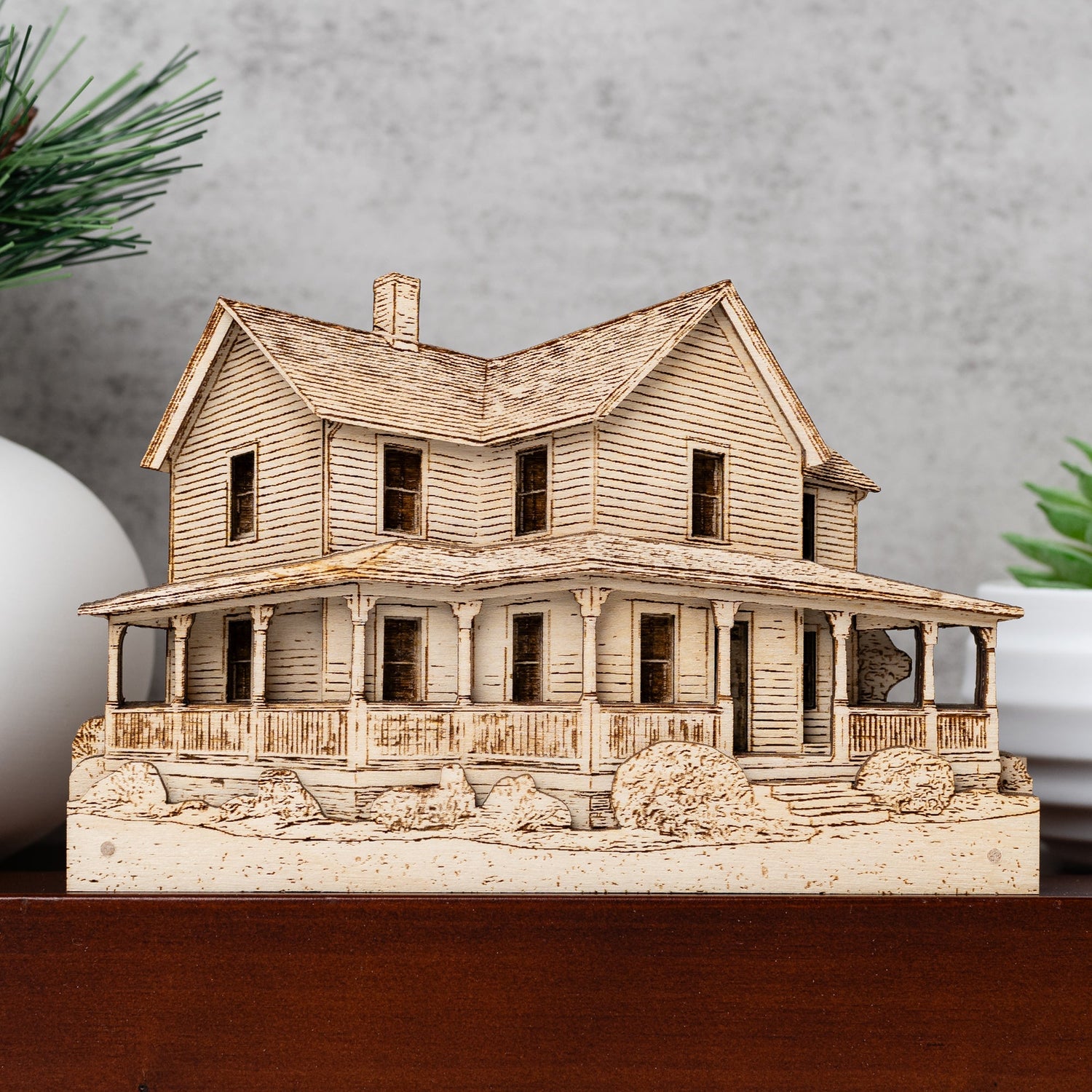
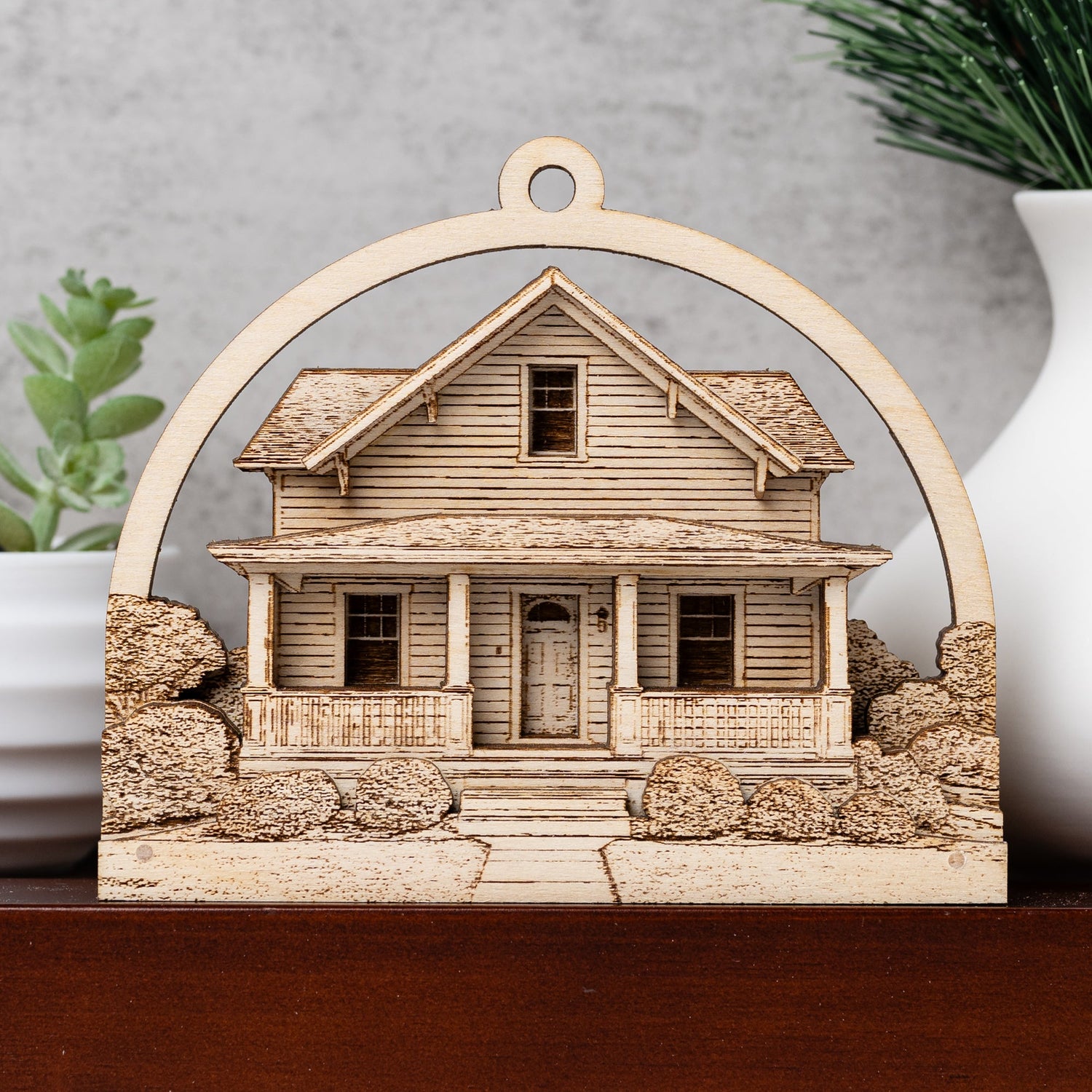
When an object reflects something singular — such as preserving the home itself — it gains depth.
Replaceable items are rarely preserved.
Irreplaceable ones are.
It Is Crafted With Intention
Longevity matters.
A keepsake meant to last decades must be created with care.
Materials should age gracefully.
Design should feel timeless rather than trendy.
The form should invite quiet display rather than demand attention.
When craftsmanship is thoughtful, the object feels substantial — not disposable.
That physical presence reinforces emotional value.
It Grows in Meaning Over Time
Many gifts are most appreciated when received.
A true keepsake becomes more meaningful as years pass.
It accumulates memory.
What once represented “the beginning” later represents “how far we’ve come.”
Its relevance deepens because the story deepens.
The object remains still — while life moves forward.
It Feels Personal, Not Generic
The most meaningful keepsakes are specific.
They reflect a particular life, a particular chapter, a particular place.
Generic items can be pleasant.
But personal ones are protected.
When an object feels uniquely tied to someone’s experience, it becomes far less likely to be discarded.
It becomes part of the environment.
Part of the narrative.
Designed to Be Worth Keeping
Not every object needs to last forever.
But when something is created to preserve a meaningful place — a home, a storefront, a structure tied to memory — its purpose is clear.
It exists not simply to decorate a space, but to honor one.
A keepsake worth keeping is not loud.
It is steady.
It remains.
And years later, it still means something.
-

The Most Meaningful Memorial Gift Isn’t What You Think
Some memorial gifts comfort for a moment. Others preserve what mattered most. Discover a quiet, lasting way to honor a meaningful place and the memories held within it.
The Most Meaningful Memorial Gift Isn’t What You Think
Some memorial gifts comfort for a moment. Others preserve what mattered most. Discover a quiet, lasting way to honor a meaningful place and the memories held within it.
-

Why We Form Emotional Attachments to Places
Certain homes and buildings stay with us long after we’ve moved on. Explore why people form deep emotional attachments to meaningful places — and why those memories endure.
Why We Form Emotional Attachments to Places
Certain homes and buildings stay with us long after we’ve moved on. Explore why people form deep emotional attachments to meaningful places — and why those memories endure.
-

Why Real Estate Agents Are Choosing Custom Home Replicas as Closing Gifts
A closing gift should reflect more than the transaction. Discover why real estate agents are choosing handcrafted home replicas to mark the milestone in a lasting, meaningful way.
Why Real Estate Agents Are Choosing Custom Home Replicas as Closing Gifts
A closing gift should reflect more than the transaction. Discover why real estate agents are choosing handcrafted home replicas to mark the milestone in a lasting, meaningful way.
-

What Makes a Keepsake Worth Keeping?
Some keepsakes fade with time. Others grow more meaningful each year. Explore what gives an object lasting value — and what makes it truly worth keeping.
What Makes a Keepsake Worth Keeping?
Some keepsakes fade with time. Others grow more meaningful each year. Explore what gives an object lasting value — and what makes it truly worth keeping.


- Choosing a selection results in a full page refresh.
- Opens in a new window.