

Why We Form Emotional Attachments to Places
Most people can close their eyes and picture a place that still feels vivid.
A childhood home.
A grandparent’s kitchen.
The first apartment that felt like independence.
A storefront built from scratch.
Even years later, the details remain — the angle of the light through a window, the sound of a screen door closing, the view from the driveway.
Why do certain places stay with us so strongly?
Places Anchor Memory
Psychologists have long understood that memory is tied to environment.
We do not remember events in isolation.
We remember where they happened.
Rooms become containers for moments.
Hallways hold echoes of routines.
Front porches witness conversations that shape us.
Over time, the physical structure becomes inseparable from the experiences lived inside it.
A house is no longer just architecture.
It becomes context.
Stability in a Changing World
People move.
Families grow.
Businesses evolve.
Yet certain places feel fixed in time.
Part of our attachment comes from stability. Buildings remain standing while life moves forward. They serve as landmarks in our personal timelines.
“This is where we started.”
“This is where everything changed.”
“This is where we felt safe.”
Even after we leave, the memory of the place remains intact — often clearer than the events themselves.
Identity and Environment
Places also shape identity.
The first home someone purchases — often marked by meaningful milestones — represents independence.
A family home may symbolize belonging.
A small business location can represent risk, ambition, and resilience.
We attach meaning not just to what happened there, but to who we were in that space.
Over time, the structure becomes a physical marker of a particular version of ourselves.
That is difficult to replace.
Why Physical Reminders Matter
In an increasingly digital world, photographs live on screens.
But tangible objects carry a different presence.
They occupy space.
They hold weight.
They endure.
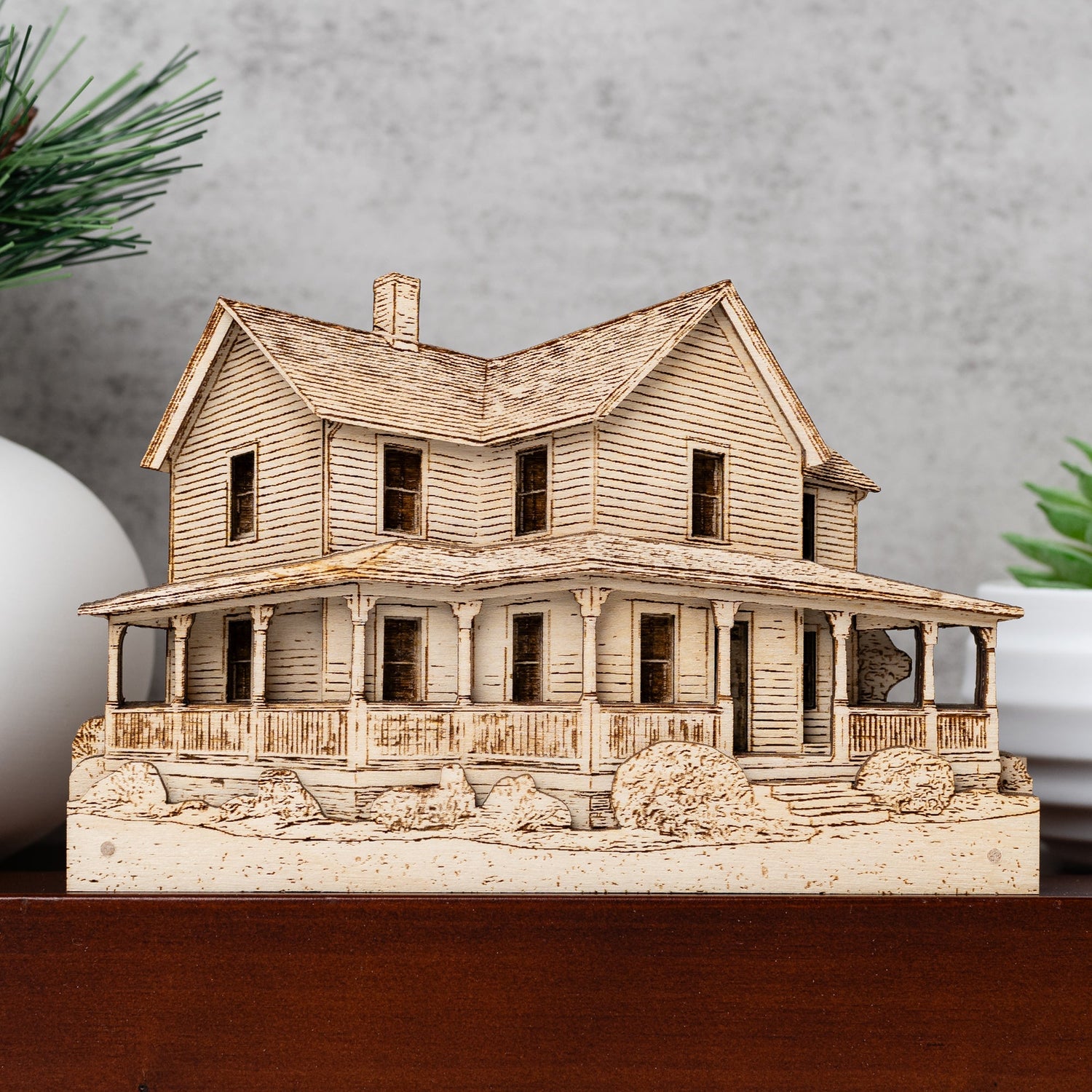
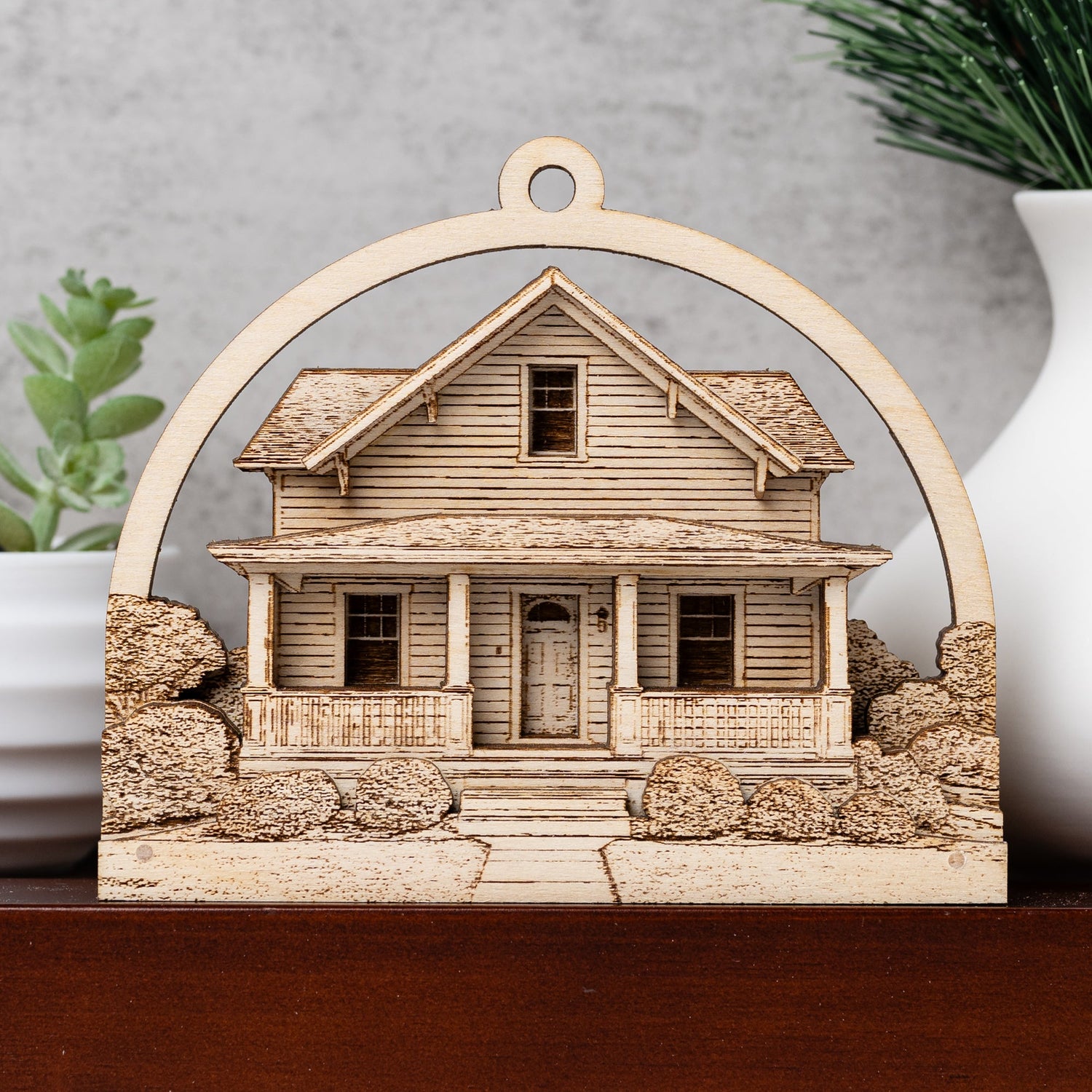
Preserving a meaningful place in physical form offers something subtle yet powerful — the kind of keepsake that grows in meaning over time.
Not as a substitute for experience.
But as a quiet reminder of it.
When a Place Becomes Part of the Story
We often say, “It was just a house.”
But rarely is that true.
It was the place where a child took their first steps.
Where a business opened its doors.
Where holidays were repeated year after year.
Where someone felt at home.
Our attachment to places is not irrational.
It is human.
Structures become intertwined with the chapters of our lives. When those chapters close — through growth, relocation, or loss — the memory of the place often lingers with unexpected clarity.
Preserving What Shaped Us
Not every place needs to be preserved.
But some deserve to be remembered intentionally.
A childhood home.
A first purchase.
A family gathering place.
A building that represented a dream realized.
When a place has shaped a life in some meaningful way, honoring it is less about architecture — and more about memory.
And memory, when given form, tends to last.
-

The Most Meaningful Memorial Gift Isn’t What You Think
Some memorial gifts comfort for a moment. Others preserve what mattered most. Discover a quiet, lasting way to honor a meaningful place and the memories held within it.
The Most Meaningful Memorial Gift Isn’t What You Think
Some memorial gifts comfort for a moment. Others preserve what mattered most. Discover a quiet, lasting way to honor a meaningful place and the memories held within it.
-

Why We Form Emotional Attachments to Places
Certain homes and buildings stay with us long after we’ve moved on. Explore why people form deep emotional attachments to meaningful places — and why those memories endure.
Why We Form Emotional Attachments to Places
Certain homes and buildings stay with us long after we’ve moved on. Explore why people form deep emotional attachments to meaningful places — and why those memories endure.
-

Why Real Estate Agents Are Choosing Custom Home Replicas as Closing Gifts
A closing gift should reflect more than the transaction. Discover why real estate agents are choosing handcrafted home replicas to mark the milestone in a lasting, meaningful way.
Why Real Estate Agents Are Choosing Custom Home Replicas as Closing Gifts
A closing gift should reflect more than the transaction. Discover why real estate agents are choosing handcrafted home replicas to mark the milestone in a lasting, meaningful way.
-

What Makes a Keepsake Worth Keeping?
Some keepsakes fade with time. Others grow more meaningful each year. Explore what gives an object lasting value — and what makes it truly worth keeping.
What Makes a Keepsake Worth Keeping?
Some keepsakes fade with time. Others grow more meaningful each year. Explore what gives an object lasting value — and what makes it truly worth keeping.


- Choosing a selection results in a full page refresh.
- Opens in a new window.